Privacy is not one setting. A treatment that feels private at noon can feel exposed after sunset, when interior lights turn the window into a bright frame. The best choice lets you manage both conditions without making the room feel shut down.
For Atlanta homes, that usually means looking beyond a single product label. Street-facing rooms, bathrooms, bedrooms, kitchens, and high-rise living areas ask for different answers. The practical question is not simply, “What is the most private blind?” It is, “What should this window do during the day, after dark, and when the room is actually being lived in?”
Start with the privacy problem, not the product
Before choosing blinds or shades, stand outside the window at the time privacy matters most. For many homes, that is early evening, when the lights are on and the view from the street is clearest. Notice whether the concern is a direct line of sight, a nearby sidewalk, a neighbor’s second-story window, or a room that simply feels too exposed.
Then separate privacy from darkness. A bedroom may need both. A front living room may need privacy while keeping the daylight soft. A kitchen may need glare control and a little screening without losing the view of the yard. Once those jobs are clear, it is easier to decide whether adjustable slats, fabric coverage, or layers will serve the room best.
- Daytime privacy: Can people see in while the room still needs natural light?
- Nighttime privacy: Does the treatment cover the opening when interior lights are on?
- Light control: Do you need to redirect glare, dim the room, or make it genuinely dark?
- Window fit: Will the treatment clear trim, handles, furniture, and nearby doors?
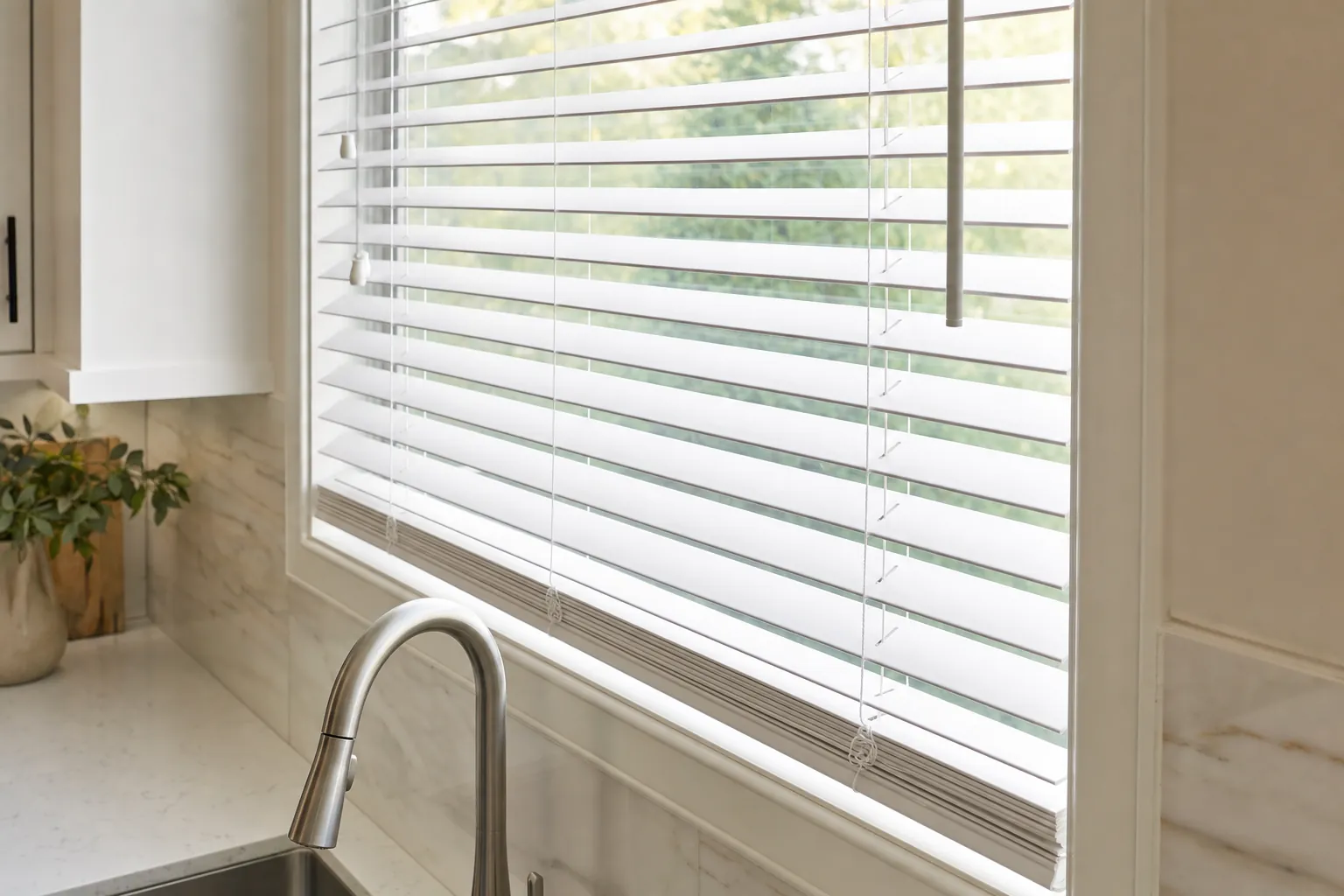
Best blinds for privacy and daylight: adjustable horizontal blinds
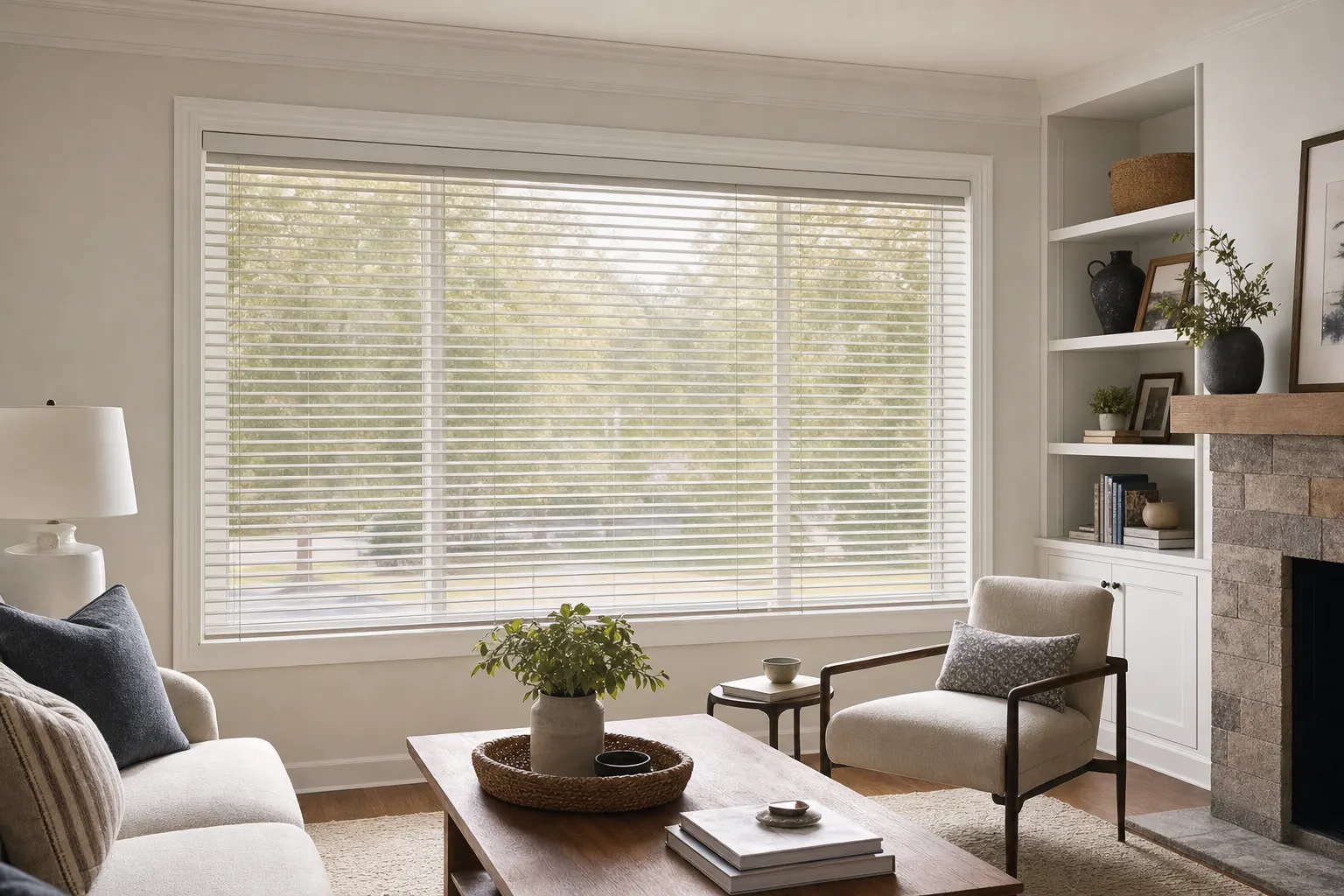
Wood, faux wood, and aluminum blinds are the practical choice when a room needs active control. Their slats let you change the balance of light and screening throughout the day. In a breakfast room, home office, or street-facing living room, that flexibility can be more useful than a treatment that is either fully up or fully down.
Slat position matters. A small adjustment can soften a direct sightline while still bouncing useful daylight into the room. But horizontal blinds are not a sealed screen. The slats, lift cords, and side edges create small openings, especially on wide windows or older frames that are not perfectly square. They are a strong daylight privacy option, not the automatic best choice for a room where complete nighttime privacy is non-negotiable.
They also reward good measuring. An inside mount can look clean and tailored when the window has enough depth. An outside mount can cover more of the opening when privacy is the priority. This is one reason a custom blinds consultation is more helpful than choosing from a small online photo: the mount, slat size, finish, and edge coverage all change the real result.
There is a comfort benefit too. The U.S. Department of Energy notes that properly used interior blinds and shades can help reduce unwanted solar heat gain while preserving daylight. That does not make every blind an energy treatment, but it does reinforce why the orientation of the window and the daily routine should shape the decision.
Best blinds for privacy at night: full coverage beats clever tilt
At night, the safest privacy strategy is simple: choose a treatment that covers the full opening and closes decisively. When the room is lit and the outside is dark, even a modest gap can be more visible than it seemed during the day. This is where roller shades, room-darkening cellular shades, Roman shades with lining, and properly fitted drapery often outperform slatted blinds.
For a bedroom, nursery, bath, or first-floor room near a walkway, start with the coverage. Ask whether the fabric reaches the bottom cleanly, whether the side gaps are acceptable from the street, and whether the hardware leaves a light gap at the top. A room-darkening shade can feel private, but “room-darkening” is not the same as a fully sealed blackout system. The details at the edges matter.
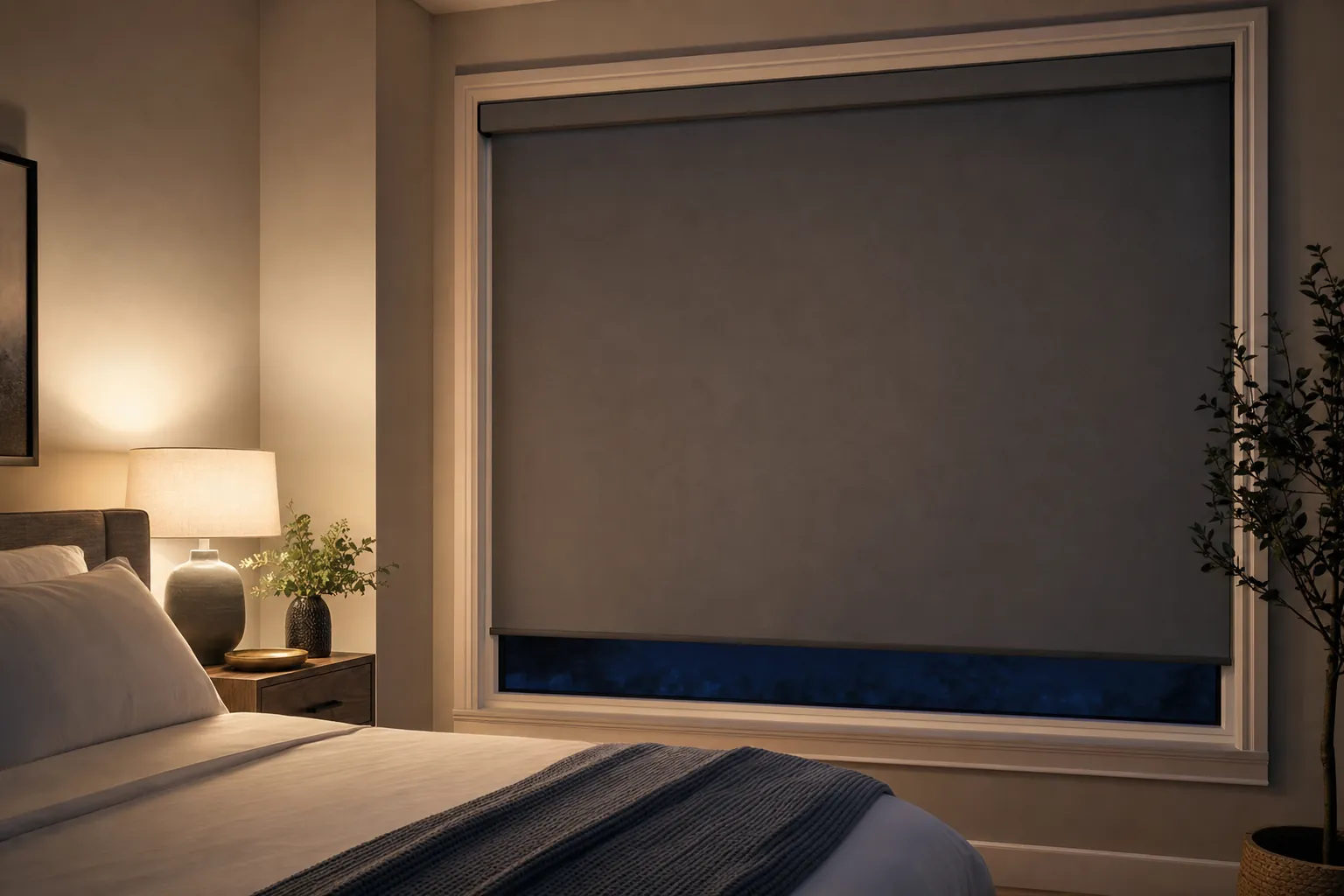
Cellular shades deserve a close look when a bedroom or exposed room also feels hot in the afternoon or drafty in winter. The Department of Energy’s cellular shade research describes their ability to control daylight, reduce glare, offer privacy, and improve comfort near the glass. They work especially well when the homeowner wants a cleaner, softer look than horizontal slats provide.
For a bedroom where sleep is the goal, pair the right shade fabric with the right installation. A blackout liner or room-darkening fabric can be effective, but side channels, an outside mount, or drapery panels may be what turns a nearly dark room into a reliably private one. The answer depends on the window, not a generic promise on a product label.
When shades are a better privacy choice than blinds
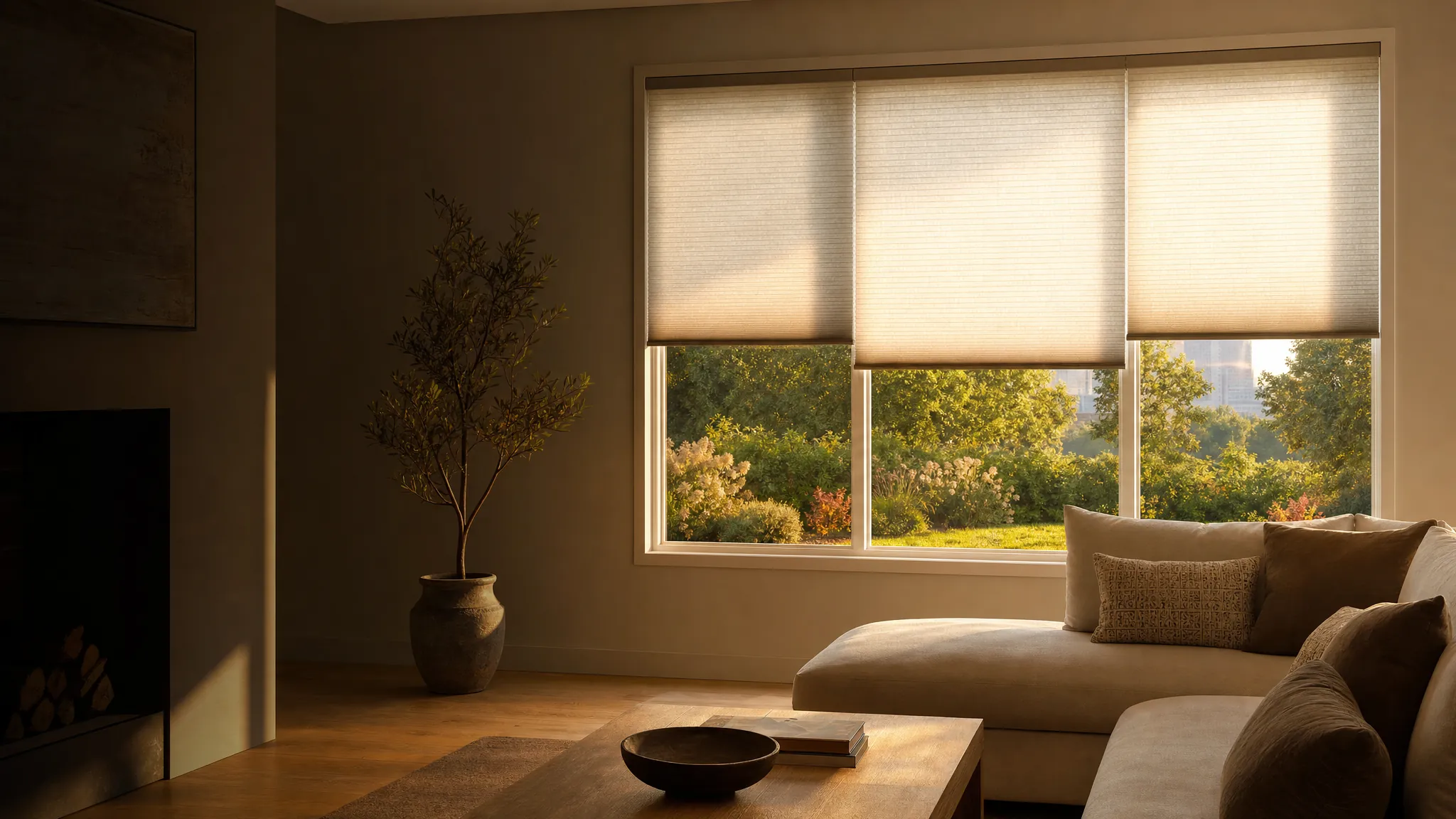
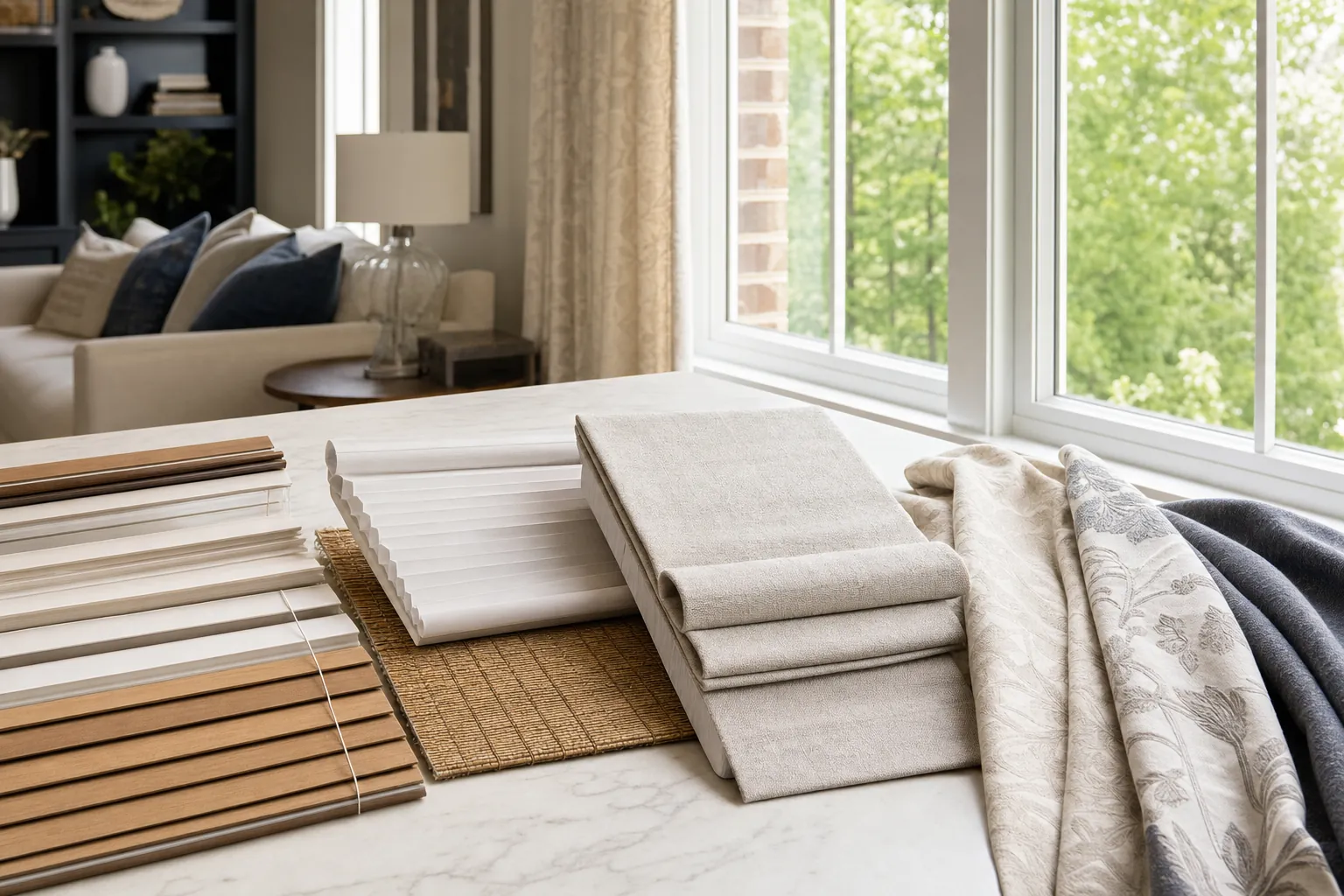
Shades make sense when you want continuous coverage rather than adjustable slats. A roller shade gives a clean plane across the glass. A cellular shade can soften light and add a bit of insulation. A Roman shade brings fabric texture and can be lined for a more private finish. Woven shades add warmth, but they often need a privacy liner if the room faces the street or another house.
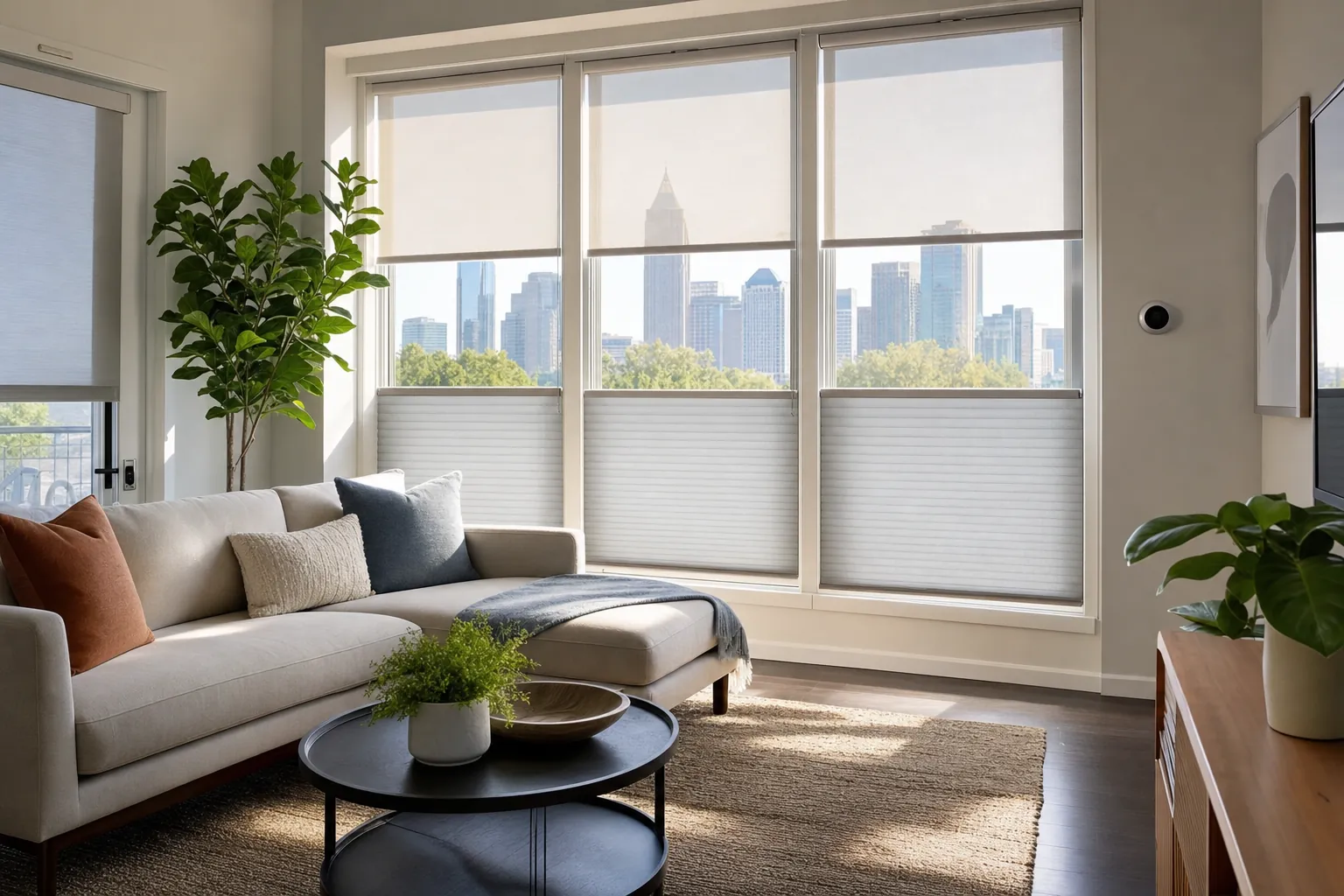
The tradeoff is control. With a blind, you can tilt slats to tune the light without raising the treatment. With many shades, the setting is more direct: down for screening, up for an open view. Top-down bottom-up options can be a useful exception. They let daylight enter from the top while keeping the lower part of the window covered, which is often a smart solution for a front room, bath, or home office.
If glare is the problem as much as privacy, solar fabrics and light-filtering shades can be useful in a room with a view. Just be careful with the word “privacy.” A fabric that obscures the view inward during the day may not provide the same protection after dark. For a room that must be private at all hours, choose a more opaque fabric or build a layered solution.
Layer when one treatment cannot do every job
Layering is often the most polished answer because it allows each piece to do one job well. A shade can handle everyday privacy and glare. Drapery can add softness, cover side gaps, support room-darkening, and make a large window feel more settled. In a living room, a woven or roller shade with lined panels can look relaxed in daylight and feel protected at night.
The same approach works in bedrooms. A cellular shade can be used every day for privacy and comfort, while drapery adds the final layer for darkness. In a formal room, sheers can soften daylight while a second layer provides actual privacy after sunset. The result is not more decoration for the sake of it. It is a room that can adapt without looking overworked.
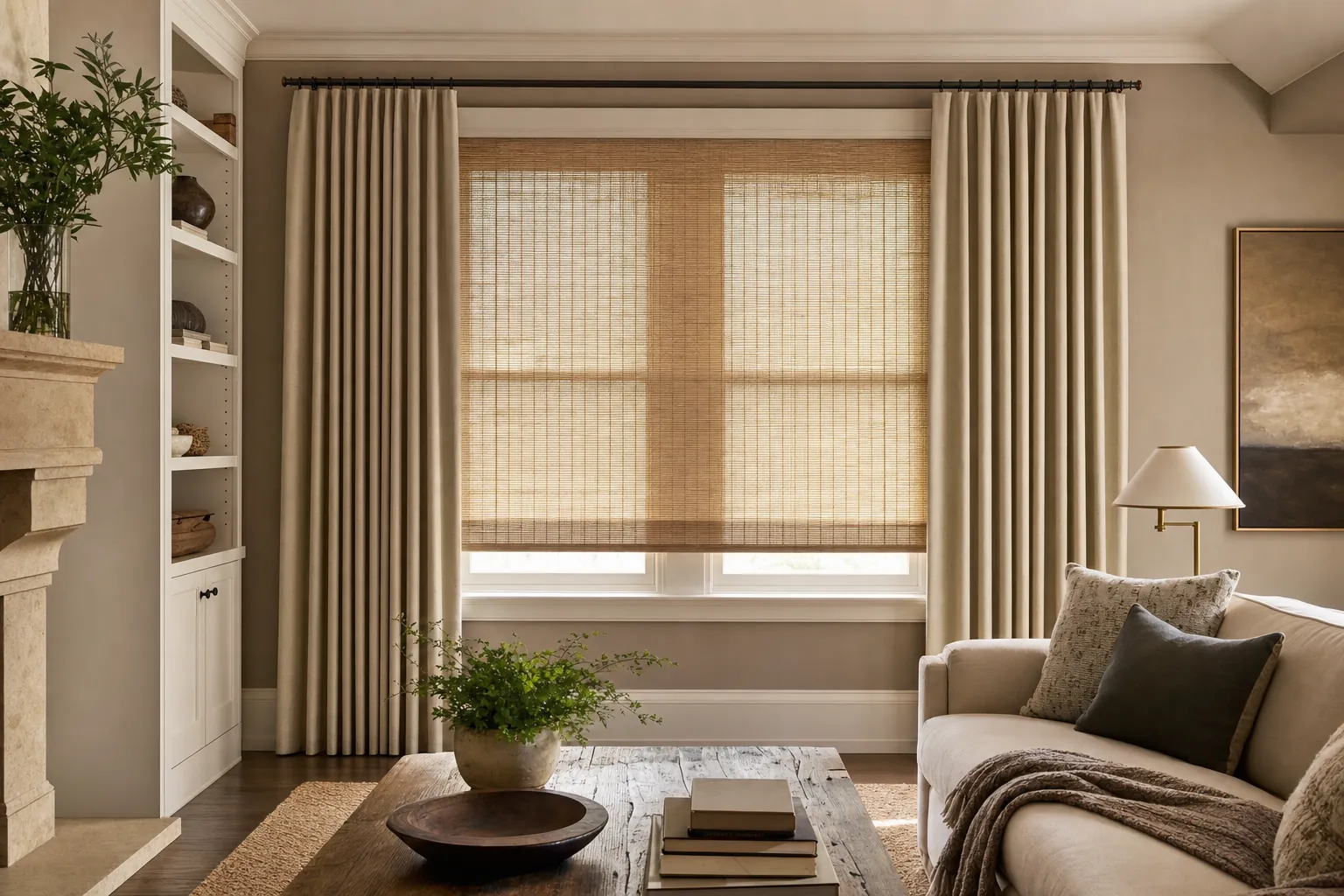
Layering also makes sense on large or unusually shaped windows, where a single blind can feel visually thin. The Department of Energy’s research on residential window coverings shows how much daily adjustment affects the way a treatment performs. That is a useful reminder: the most successful window treatment is one people will actually use, not one that looks good only in a showroom.
Choose by room: a quick guide
Street-facing living room: Consider adjustable blinds for daytime control, or a light-filtering shade with drapery panels if the room needs a softer, more finished look. The key is checking the treatment after dark with the lamps on.
Bedroom: Prioritize full coverage. Room-darkening or blackout shades, cellular shades with the right fabric, and lined drapery are stronger choices than slats alone when privacy and sleep both matter.
Bathroom: Use a treatment that can handle humidity and cover the opening fully. Faux wood blinds, privacy-lined shades, or an opaque roller shade can all work, depending on the window depth and splash zone.
Kitchen: Adjustable blinds are useful when you need light control around a work surface. A shade may be cleaner on a large window or door where repeated operation should feel effortless.
High-rise or view room: Keep the view in the decision. A solar or roller shade may be right during the day, but add a second layer if nighttime privacy matters. The shade options Lionheart plans for Atlanta homes can be tailored around exposure, view, and the way the room is used.
Three mistakes that make a private room feel exposed
Choosing by daylight alone. A treatment can look completely private at noon and perform very differently after sunset. Test the idea with the room lights on, especially if the window faces a driveway, sidewalk, or neighboring home. A quick evening check is more useful than judging a fabric sample in a bright showroom.
Ignoring the edges. Privacy failures often happen at the top, sides, or bottom of the opening rather than through the middle of the material. A shade that is just narrow enough to show trim may look intentional, but it may not be the right choice for a bedroom or bath. When complete screening matters, plan the mount and stack of the treatment as carefully as the fabric.
Asking one layer to do every job. A sheer may be beautiful, a blind may be adjustable, and a blackout shade may be effective, but none has to carry the whole room alone. Layers let the room stay bright, comfortable, and private without forcing one product into a role it cannot perform well.
Measure the coverage, not just the glass
The window opening is only part of the job. Trim depth, sill shape, window handles, nearby furniture, and whether the window tilts in all affect what will fit and how private it will feel. On a street-facing window, an outside mount can sometimes provide better side coverage. On a deep, cleanly trimmed window, an inside mount may give the crisp built-in look the room needs.
Before ordering, look for the small details that create disappointment later: a shade that stops short of the sill, a blind that hits a handle, panels that do not stack far enough off the glass, or a fabric that looks more transparent under interior light. These are not dramatic design decisions, but they are the difference between “nice” and “this actually solves the problem.”
Privacy works better when it is planned around the actual window.
Lionheart brings samples into the room, checks the light and sightlines, and helps match the treatment to the way you want the space to feel during the day and at night.
Frequently asked questions
Can people see through blinds at night?
They can if the slats are open, the blind does not fully cover the opening, or the treatment is too sheer for a lit room. At night, indoor light makes any gap more noticeable from outside. For a street-facing bedroom or bath, choose full coverage first and use tilt only as a secondary privacy tool.
What blinds give privacy but still let light in?
Adjustable horizontal blinds, top-down bottom-up shades, and light-filtering cellular or roller shades can preserve daylight while softening the view into a room. The right choice depends on whether you need flexibility through the day or steady, diffused privacy.
Are blinds or shades better for privacy?
Blinds are usually better when you want to fine-tune the light with movable slats. Shades are often better when you want a more continuous screen of fabric and fewer visible gaps. A bedroom or street-facing room may benefit from a shade plus drapery rather than choosing one treatment to do every job.
How should I choose privacy treatments for a street-facing window?
Start from the outside view at night, not just the room during the day. Check the width, height, side gaps, sill, and any nearby walkway or neighboring window. Then choose a treatment that reaches the edges of the opening and matches how much daylight you still want.